Marketing Resources for Transit Agencies
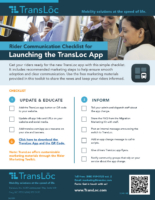
Marketing Checklist
QR Code Guide
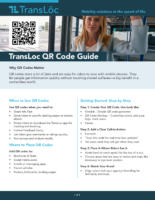
Learn where and how to place QR codes for maximum visibility across Fixed Route and OnDemand services. Includes best practices for design, clear calls-to-action, and tips on tracking scans to measure engagement.
Landing Page Guide
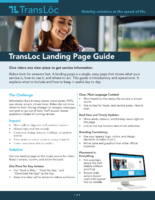
A quick guide for building a rider-friendly landing page with clear content. Learn what to include, service and how to make it easy for riders to find updates.
Marketing Launch Guide
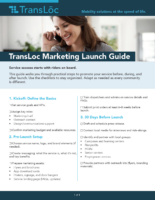
Step-by-step guidance for planning, promoting, and retaining riders. Includes best practices, messaging tips, and strategies to maintain engagement after launch.
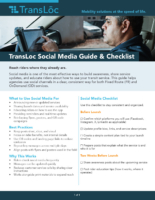
Social Media Guide & Checklist
Clear guidance for consistent rider communication.
Provides best practices and a simple checklist to help agencies use social media to inform, educate, and remind riders about Fixed Route and OnDemand services before, during, and after launch.
Social Media Template: Fixed Route
Ready‑to‑use messaging for Fixed Route awareness.
Example social media copy designed to help riders understand routes, real‑time tracking, and how to use the TransLoc app for Fixed Route service.
Social Media Template: OnDemand
Simple messaging to explain how OnDemand works.
Example social media copy that shows riders how to download the app, request a trip, and track their ride using OnDemand service.
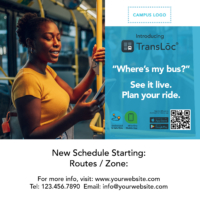
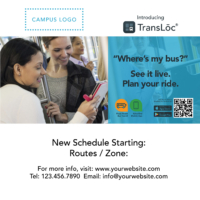
Flyers: Fixed Route
Flyers designed to share route information, schedules, and real-time tracking instructions. Perfect for campus bulletin boards, transit stops, and community spaces. Easy for riders to take and share.
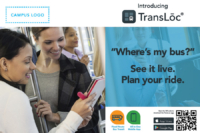
Flyers: OnDemand
Clear, concise flyers explaining how to book rides, download the app, and use the service. Great for locations where riders may need quick reference—student centers, apartment complexes, or employer sites.
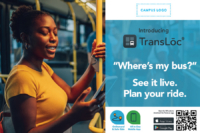
Posters: Fixed Route
Large-format posters for high-traffic areas like bus stops, transit hubs, and student gathering spaces. Use these to share route details, QR codes for tracking, and app download instructions.
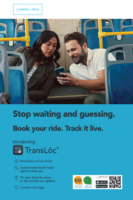
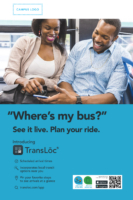
Posters: OnDemand
Eye-catching posters that explain how riders can request a trip and track their ride in the app. Place them in areas where riders wait, such as lobbies, common areas, and transit connection points.
Frequently Asked Questions for the TransLoc Marketing Resources
What are TransLoc marketing resources used for?
Which marketing materials should we use before a service launches?
Before launch, agencies should use:
- The Marketing Launch Guide and Checklist
- Flyers and posters for awareness
- Social media guide and checklist for early education
- A landing page as the single source of truth
These tools help set expectations before riders are asked to download the app.
When should we promote the TransLoc app?
Pre‑launch marketing should focus on awareness and education. App downloads should be encouraged once the service is live and riders can take action immediately.
What is the most effective marketing mix for transit agencies today?
The most effective approach combines:
- Print (flyers, posters, bus signage)
- Digital (social media, email campaigns)
- QR codes that link everything to one landing page
This ensures riders see consistent information wherever they interact with your service.
How do QR codes help reduce rider confusion?
Do we need a landing page if we already use social media and email?
Social posts, emails, flyers, and QR codes should all point back to the same landing page so riders always receive accurate, up‑to‑date information.
What should a transit service landing page include?
A strong landing page should include:
- A short service overview
- How to track Fixed Route buses or book OnDemand rides
- Hours of operation and service areas
- App download links
- Alerts, detours, or schedule changes
- Contact information and FAQs
Are these materials designed for both cities and campuses?
Yes. All resources are designed to support:
- Municipal transit agencies
- University and campus transportation systems
The same best practices apply, with messaging adjusted for rider type and environment.
How do flyers and posters support digital campaigns?
Flyers and posters reinforce digital messaging in physical spaces where riders wait, walk, or make decisions. When paired with QR codes and social media reminders, they increase awareness and reduce missed trips.
How can we measure if our marketing is working?
Agencies should track simple indicators such as:
- App downloads after launch
- QR code scans
- Changes in rider questions or support calls
- Engagement on social posts or email links
These signals help refine future outreach without requiring complex tools.
Do we need a large marketing budget to use these resources?
Who should manage and update marketing materials?
Most agencies assign:
- Communications or web staff to maintain content
- Operations and dispatch to flag rider confusion
- A backup owner to ensure updates during service changes
Clear ownership keeps information accurate and timely.
How often should marketing content be reviewed?
Marketing content should be reviewed:
- Before any service change or event
- Weekly for landing pages and alerts
- Immediately during disruptions or weather events
Frequent light reviews prevent outdated or conflicting information.
Can these resources be customized for our agency?
Yes. All materials are designed to be customized with:
- Your logo, colors, and branding
- Service names and coverage areas
- Local contact information and URLs
Still have questions?
Our team can help you align resources to your service type and launch timeline.
Contact marketing@transloc.com for guidance.