
Transit Infotainment & Passenger Information
Real-time rider information where it matters most
TransLoc's Transit Infotainment & Passenger Information
Smarter Transit Starts with Visible Information
Most agencies already generate real-time information. Vehicle locations update. Arrival predictions recalculate. Service alerts are created. The missing piece is often simple: riders at the stop still do not see it.
That is where infotainment matters.
TransLoc Infotainment connects live operational data with rider-facing displays so arrival information, alerts, and service changes stay visible, consistent, and useful throughout the trip.
What is TransLoc Infotainment?
TransLoc Infotainment connects real-time transit data with physical and onboard displays so riders can see the same service reality that dispatch already sees. That includes arrival predictions, service alerts, and rider-facing updates shown at stops, shelters, hubs, vehicles, and waiting areas.
This is not just scheduled content on a screen. It is real-time passenger information driven by live service conditions.
Why It Matters
Most agencies do not have a data problem. They have a communication problem. The data exists, but it does not always reach riders at the right moment.
Not every rider uses an app. Not every rider checks it while standing at the stop. And even when they do, that assumes they have their phone in hand, the right app installed, and the habit of opening it at the right time.
In practice, this is where a lot of rider frustration starts.
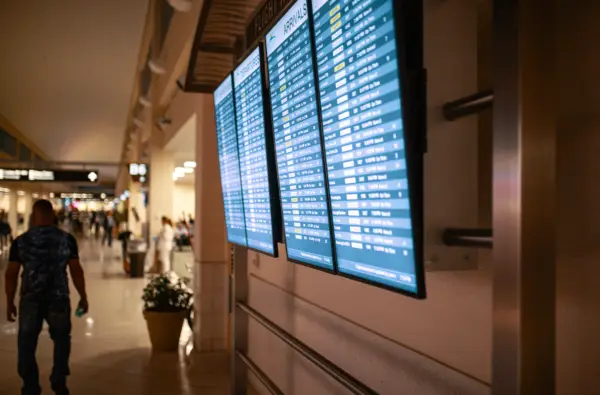
What Riders Actually Experience
Riders do not experience a transit system through a dashboard.
They experience it at the stop.
- A delay happens.
- The system updates.
- The app reflects it.
- The rider waiting at the curb sees nothing. Some wait. Some leave. A few check their phones. A few do not.
If riders cannot see what is happening, the system feels unpredictable, even when the data behind it is accurate.
What TransLoc Infotainment Can Do
- Display real-time arrival predictions at stops, shelters, vehicles, and hubs.
- Show service alerts and disruption messaging as conditions change.
- Extend operational truth from dispatch to the physical rider environment.
- Keep rider-facing information aligned across apps, signage, and operations.
- Support both visible rider information and broader communication workflows.
Key Features
Real-Time Rider Information:
Display real-time arrival information at stops and high-visibility outdoor locations.
Service Alerts & Emergency Messaging:
- Push service alerts and urgent rider-facing messages directly to displays as conditions change, without relying on separate manual signage workflows.
CAD/AVL-Driven Predictions:
- Use live vehicle location and operational data to ensure passenger information reflects what is happening now, not just what the published schedule says.
Consistent Information Across Touchpoints:
- Keep apps, dispatch, and physical displays aligned through a shared source of truth, reducing the disconnect riders often notice during disruptions.
Onboard and Stop-Level Visibility:
- Support rider information at the curb, in shelters, on vehicles, and at transfer points so information is visible where decisions are actually made.
Accessibility-Supportive Communication
- Support readable, audible, and high-contrast information that is usable by more riders across a range of stop and onboard environments.
A Screen Alone Is Not the Solution
Static signage falls out of date quickly. Generic digital signage often runs on scheduled content, not live operational data. The screen itself is not usually the challenge. The harder part is making sure the screen reflects what is actually happening in service.
- That is the real differentiator.
- Not whether a screen can be installed.
- Whether it stays aligned with operations.
Where Infotainment Fits in the Transit System
Infotainment works best when it is not treated as a standalone display project.
It sits between:
- CAD/AVL and real-time service data
- Rider-facing communication
- Onboard announcements and stop-level information
When those systems stay aligned, the rider gets clearer information and the whole service feels more reliable.
Beyond Information, There May Be Revenue Potential
Infotainment works best when it is not treated as a standalone display project.
It sits between:
- CAD/AVL and real-time service data
- Rider-facing communication
- Onboard announcements and stop-level information
When those systems stay aligned, the rider gets clearer information and the whole service feels more reliable.
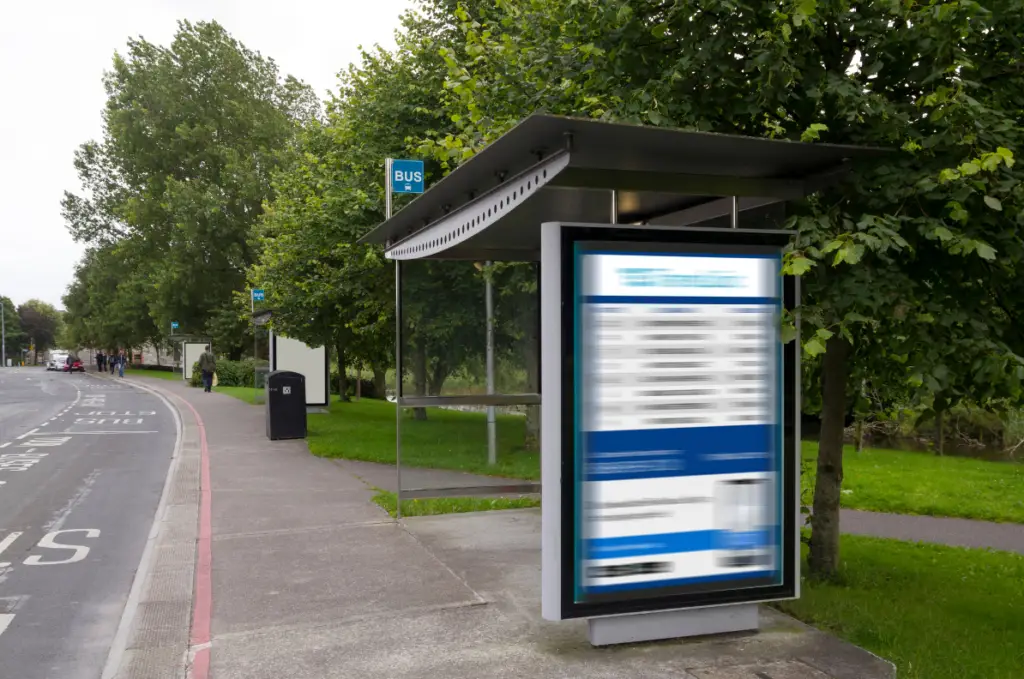
Built for Real-World Environments
TransLoc Infotainment can support:
- Public transit agencies
- Airports and intermodal hubs
- Universities and campus shuttle networks
- Corporate campuses and medical centres
- Sports venues and entertainment districts
Whit It Works
Most signage deployments fail in the same way.
- The screen works
- The data exists
- They do not stay aligned
Infotainment works when it is treated as part of the live operational environment, not a separate content layer. That is what makes information feel trustworthy at the stop.
Ready to Start your Infotainment Journey?
Explore TransLoc passenger information solutions
Frequently Asked Questions (FAQ) About TransLoc Infotainment (Real-Time Passenger Information)
What is transit infotainment?
Transit infotainment connects real-time operational data with rider-facing displays so passengers can see arrival times, service alerts, and updates during their journey.
At a basic level, it turns what your system already knows into something riders can actually see and use at the stop or onboard.
Why is infotainment important if we already have a rider app?
Most agencies already provide real-time data through mobile apps. The challenge is that not every rider checks the app, and even when they do, it is not always at the moment they need it most.
The gap shows up at the stop. That is where riders make decisions. Infotainment makes that same information visible in the moment, not just available.
How is infotainment different from digital signage?
A screen on its own does not solve the problem.
If it is not connected to live operations, it quickly becomes outdated. Infotainment systems are tied directly to real-time data, so what riders see reflects what is actually happening, not what was scheduled earlier.
What kind of information can be shown to riders?
Infotainment systems can display:
- Real-time arrival predictions
- Next stop information
- Service alerts and disruptions
- Route and destination updates
- Onboard announcements
The key is not the type of information. It is that it stays accurate as conditions change.
How does infotainment improve rider experience?
When riders can see what is happening, they stop guessing.
Clear, real-time information reduces uncertainty, improves confidence, and makes the system feel more reliable even when delays occur.
In practice, the difference is simple. Riders either know what is happening, or they don’t.
How does infotainment support accessibility?
Infotainment supports accessibility by delivering consistent audio and visual information across stops, vehicles, and displays.
This helps ensure that more riders can receive and understand information, regardless of how they interact with the system.
How does infotainment connect with other transit systems?
Infotainment relies on existing systems like:
- Vehicle tracking and CAD/AVL
- Scheduling and route data
- Dispatcher alerts and service updates
When those systems stay aligned, the same information flows across apps, operations, and displays without conflict.
Do agencies need to change their existing systems?
No. Most agencies already have the data needed.
Infotainment focuses on extending that data to rider-facing environments without changing how it is generated.
The goal is visibility, not replacement.
Can infotainment support revenue through displays?
Some agencies use display networks to support advertising over time.
In practice, this depends on location, rider volume, and demand. It can help offset costs, but it is usually secondary to improving rider information.
What is the biggest mistake agencies make with infotainment?
Treating it as a display project instead of an operational system.
The screen is not the hard part. Keeping it aligned with real service conditions is what determines whether it actually improves the rider experience.
Customer Stories
2 min read
2 min read
2 min read
2 min read
2 min read
2 min read
Let's Get Moving
Talk With Us
Our transit experts believe that mobility solutions are not one-size-fits-all. Schedule a conversation to explore customized and impactful solutions
Ready to get moving?
Get in touch with our team. Ask questions, learn about features, or request a demo. The future of mobility awaits.
(Note: for non-sales concerns, please use this contact form.)
Download Our Product Catalog
Read about the best-in-class product features that deliver convenient, safe, and reliable transit services to communities from coast to coast.
Explore Our Products
Download our catalog to learn more about the best-in-class product features that deliver convenient, safe, and reliable transit services to communities from coast to coast.